

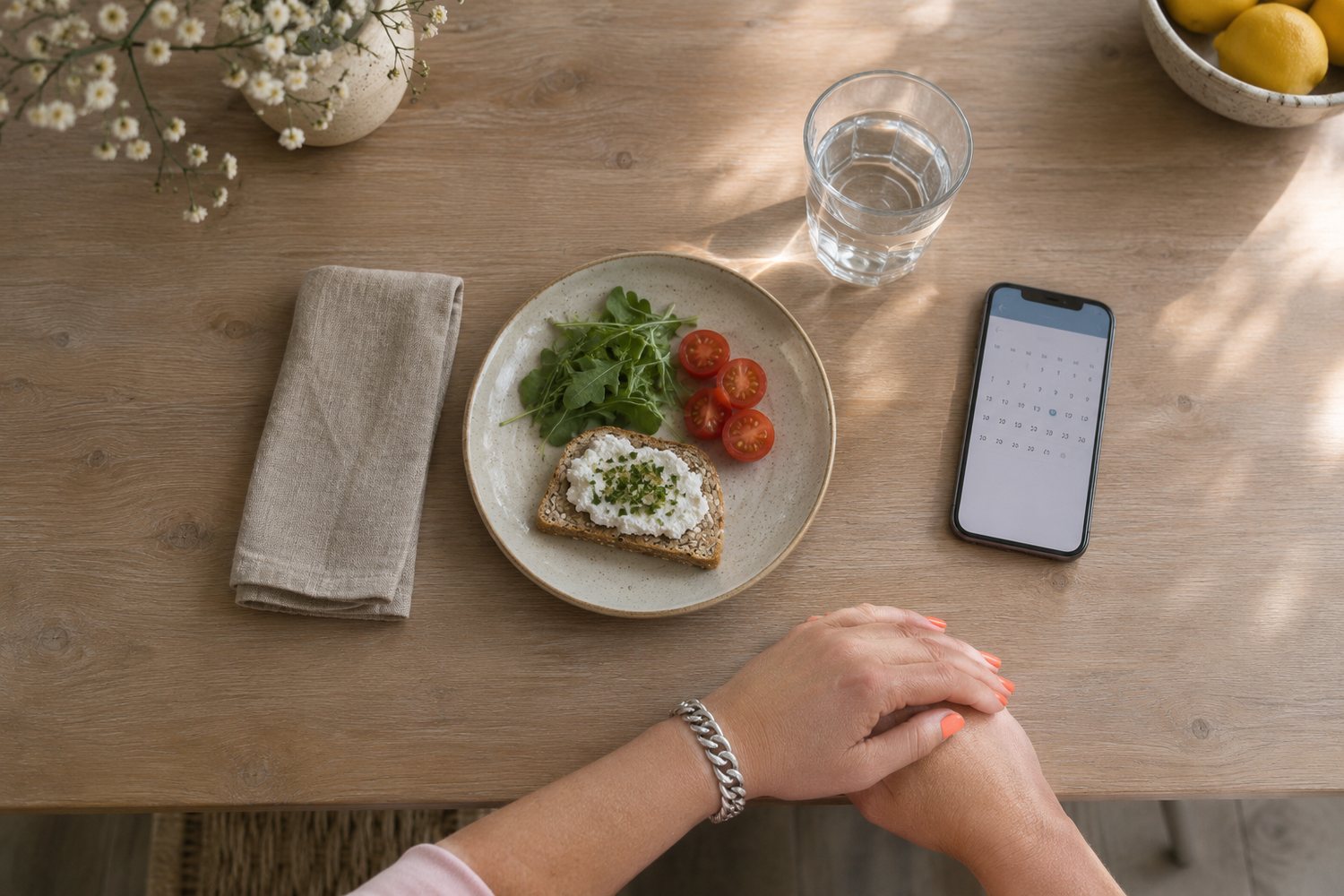
For most of us, lunch is lunch.
For Dawn, lunch is a calculation.
“Everything I eat, I have to think about how it will impact my whole life,” she says. “I’m consumed by food.”
Dawn has a slow-transit colon condition. For most of her adult life, that’s meant leakage, a bowel that won’t do what it’s told, and one question humming away in the background of every single day.
Will today be a good one?
The planning nobody sees
She eats little and often. She works part-time. She sees her friends, just less than she’d like, and never without a plan.
Moderation isn’t a lifestyle choice for Dawn. It’s how she keeps the day under control.
And nobody sees the planning. Where’s the nearest toilet? What will this top hide? Years of quiet workarounds, all running at once.
Underneath it all is the worry. That something will happen somewhere she can’t easily leave. That someone will notice a smell.
It isn’t dramatic. It’s exhausting, the way anything you can never switch off is exhausting.
And Dawn isn’t unusual. An estimated 9.1 million UK adults (16.9%) experience unintentional bowel leakage monthly or more.¹ You’d never know, because hardly anyone says it out loud.
No hiding place
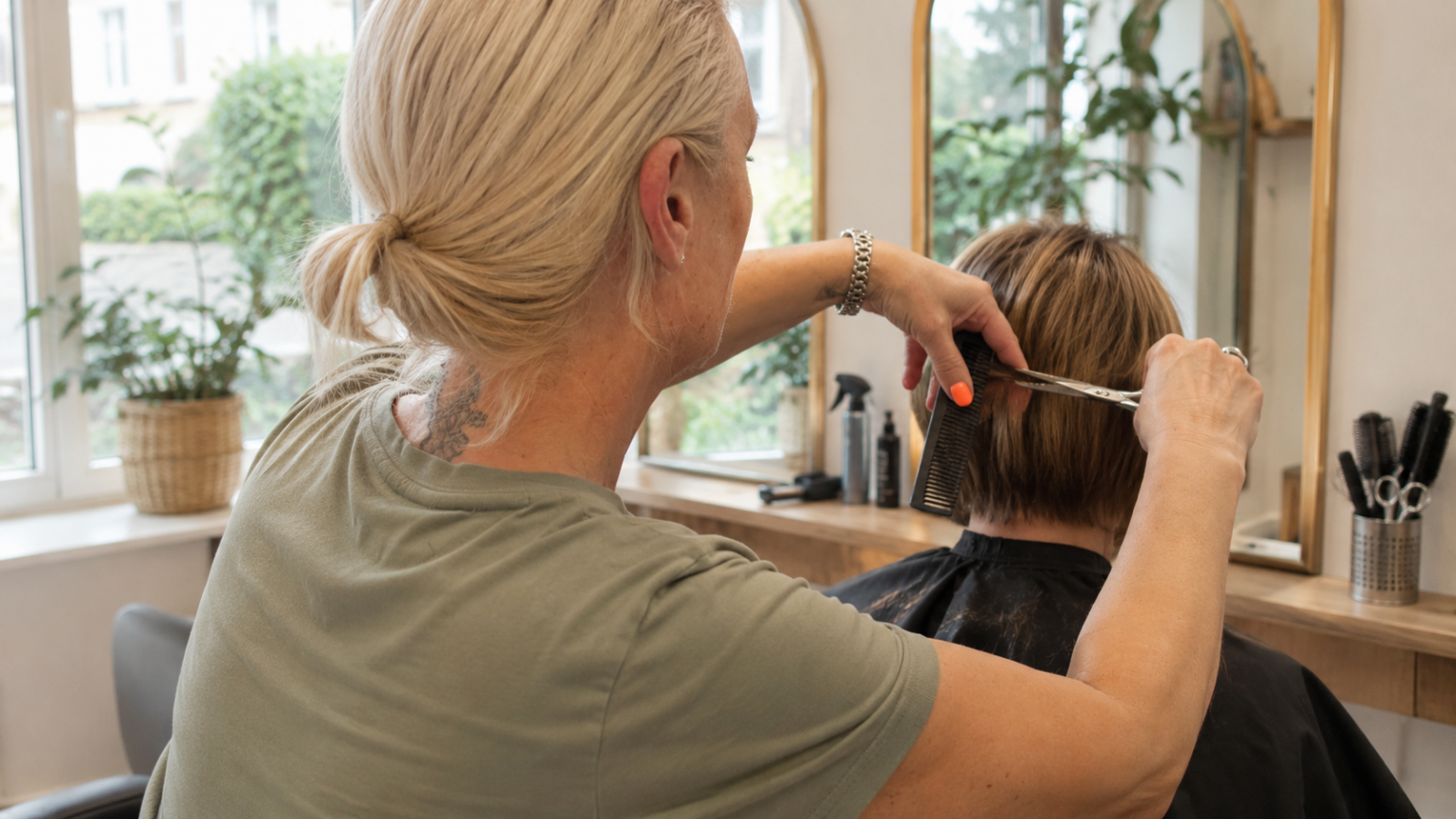
Hairdressing is Dawn’s passion. You can hear it the second she starts talking about it.
She loves the transformation. That moment a fresh cut or a new colour changes how someone holds themselves, and she gets to watch their confidence grow in her chair. Most of all, she loves her clients. Some have been coming to her for years. Now they’re friends.
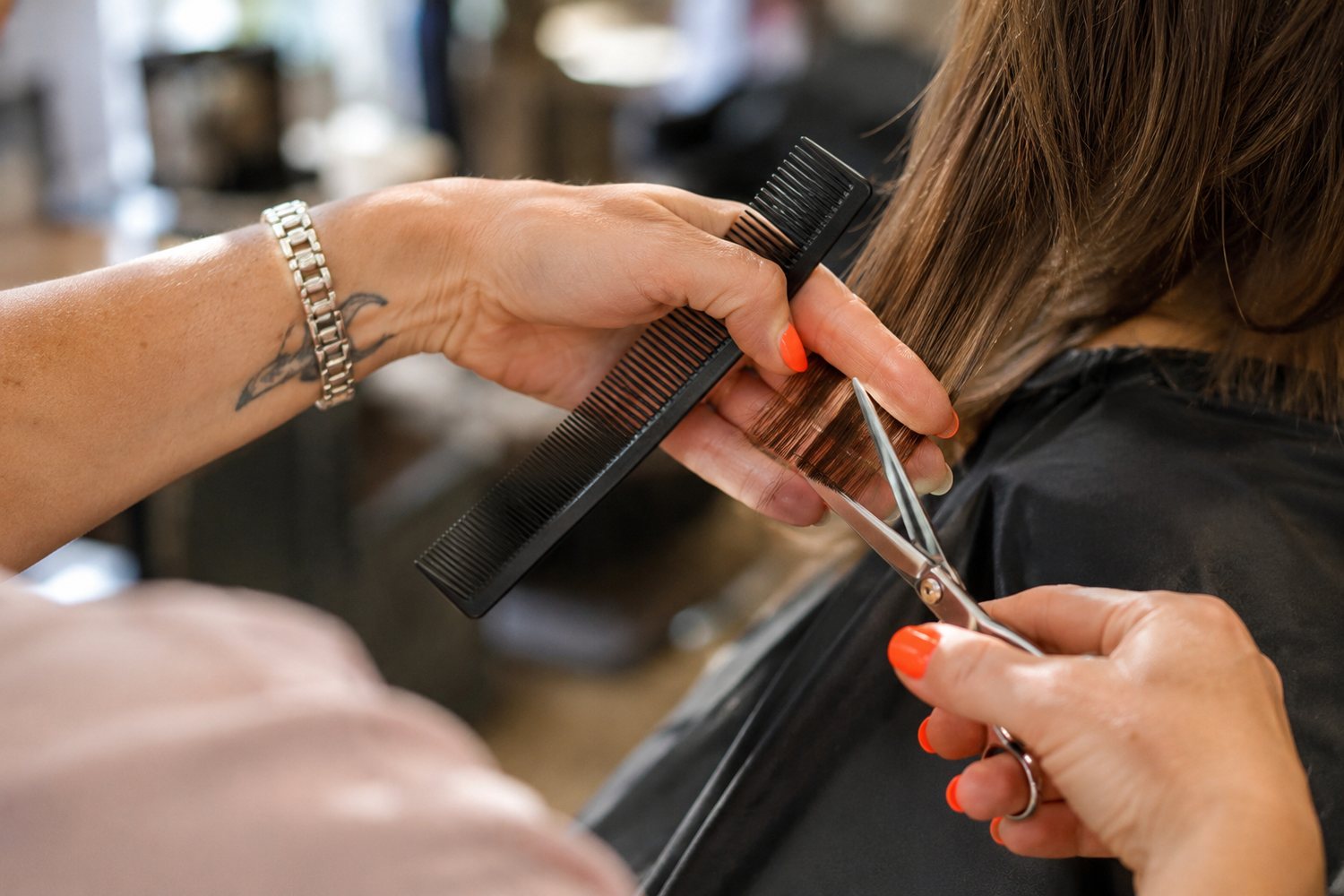
But hairdressing is a job with no hiding place.
She’s stood close to people all day. Leaning in to cut. Chatting face to face. She can’t exactly walk off halfway through a colour.
When your work is that close, feeling fresh isn’t a luxury. For Dawn, that closeness is the bit she loves, and the bit she worries about.
Hope
When our founder Zoe first got in touch, Dawn’s reaction came down to one word.
Hope.
Zoe started Joyvié after watching her dad rely on products that weren’t right for him at the end of his life. We’re developing underwear that contains stool and keeps it off the skin.
Four ordinary days
Dawn wore an early Joyvié prototype for four days and nights, then told us exactly what she thought.
What happened next was completely ordinary.
That was the whole point.
She slept in the pants. She went to work in them, and sat, moved and stood with clients all day. She just got on with her life.
Afterwards, her verdict was instant:
First time I’ve ever worn anything, and I’ve not had an accident, put it that way.
Dawn
Typical Dawn.
Almost normal
For four days, she says, she lived a semi-normal life.
No rearranging the day around her bowels. No waiting for what might happen next. Just her clients, her chair, her work.
She can picture a future where this is just part of her routine. Where she feels free.
Will today be a good one?
For four days, Dawn stopped asking.
That’s who we’re building Joyvié for.
Thank you, Dawn, for being brave enough to say it out loud.
Dawn took part in a four-day formative study of an early Joyvié prototype. Her words describe her own experience. They aren’t a clinical result or a promise of what anyone else will experience. Joyvié is still in development.
Sources
- Research without Barriers omnibus survey of 2,004 UK adults (2026), modelled against ONS population data.